
Creative Standards in the Age of AI
by Sydney Seifert-Gram

We're living in a world that's saturated with AI content. In 2026 generative AI will continue to advance, allowing users to create more remix-worthy videos, more photorealistic imagery, and more chart-topping music. AI capabilities are real, and they're evolving quickly.
But capability and quality aren't the same thing.
As AI content has moved from an experimental space to a commercial one, we've begun to measure the success of AI visuals against older, less convincing AI outputs rather than against exceptional work in our fields. We're no longer asking if something is good. We're asking if it's good enough given how it was made. Somewhere along this road, we started treating "made with AI" as a separate category with more lenient rules.
The question isn't whether AI can be used to make meaningful work. It can. The question is whether we're maintaining the same creative responsibility we've always held. New tools and methods can be interesting, but they don't excuse unresolved craft, conceptual thinness, or lack of finish.
Our audiences may not know exactly how something was made, but they can feel when work is clear and intentional. They can also feel when it's not.
A ceramicist's fingerprint in a finished vase is evidence of the maker. Roughness in handcrafted work signals presence, choice, authorship. What we're seeing with many AI outputs is the acceptance of artifacts, inconsistencies, and lack of detail as finished work, not because they serve the piece but because they came with the output.
This isn't a call to reject AI tools.
It's a question about the work we're willing to stand behind.
If someone asks why you made a specific choice, can you answer? Have you left a fingerprint—a gestural reminder of your artistic touch? Or did the tool give you something that was close enough, and you moved forward?
AI doesn't ruin creative work, but lowering our standards might. Whether you're an AI power-user or an occasional visitor, I invite you to re-center creative judgment, restraint, and refinement at this moment when novelty and efficiency are taking center stage.
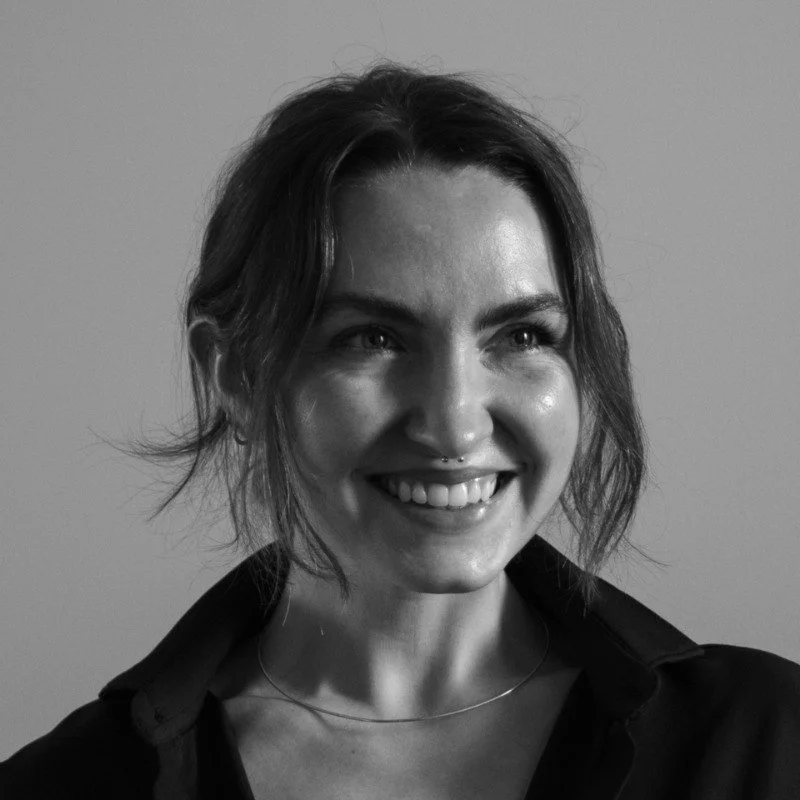
Sydney Seifert-Gram is an Art Director and educator.
Sydney focuses on sustainable prompting practices for generative AI tools, and works with students to concept and create AI-powered visuals.
